



Medical Protection rallies 32 organisations to defend wellbeing of doctors before the GMC
6 Oct 2025
Estimated read time:
5 min read
GMC investigations can seriously affect doctors' mental health, leading to a united call for more compassionate and supportive regulatory processes.
Karen Miller, CEO of Medical Protection’s parent organisation Medical Protection Society, describes our recent work to defend the wellbeing of doctors before the GMC.
The impact of General Medical Council (GMC) investigations on the doctors involved is well documented. A recent survey by Medical Protection1 found that more than three-quarters (78%) of doctors said that the investigation that they were subject to had a negative impact on their mental health. Nearly one-third (31%) also reported experiencing suicidal thoughts. For doctors who are already experiencing health difficulties, these pressures are even more acute.
While current investigation processes can be very challenging for the doctors involved, there is at least one mitigating factor – when a doctor is unwell and facing a regulatory investigation the GMC can investigate them under what is known as the health category of impairment. This gives the GMC the tools to respond to illness in a more compassionate way and put in place steps to protect privacy and confidentiality.
It was therefore unfortunate that a few years ago the Government made proposals that would have removed health as a category of impairment. This would have been one change as part of much wider reforms to the Medical Act, which sets out the GMC’s powers. We were obviously concerned about the implications of this. Now that there is an indication that the current government will bring forward new proposals for legislative change, Medical Protection decided to lead the charge and coordinate a joint letter to Government.
Why the health category matters
Over the past six years the GMC has logged health as a category of impairment in almost 1,000 cases, representing roughly 17% of all investigations2. This is a significant number.
Keeping health as a distinct category is crucial; it enables safeguards designed to protect a doctor’s privacy, dignity, and recovery. Health-related investigations can be managed in ways that reduce further harm. Hearings can be held in private, published outcomes can be redacted, and regulators’ responses can be framed around rehabilitation and safe return to practice, rather than blame.
Removing health as a distinct category would mean that cases where a doctor’s health is a primary factor would go into one of two new categories, labelled ‘misconduct’ or ‘inability to provide care to a sufficient standard’. It is our belief that these terms are pejorative, and risk further stigmatising health conditions among the medical and healthcare workforce.
In practical terms, the removal of health as a distinct category also matters because many doctors who come to the GMC under health grounds self-refer in order to seek help and support. A regulatory approach that conflates health with misconduct or poor performance risks creating barriers and deterring doctors from seeking help early on.
The GMC itself has warned that removing health as a distinct category would be ‘a significant backward step’, reflecting their own concerns about the potential consequences of this change.
Collective action to make a difference
We wanted to send a clear message on this - the Government should preserve the health category within the GMC’s framework, and ensure any regulatory reform protects doctors’ privacy and access to appropriate support.
At a time when the NHS workforce is under such pressure, we must do all we can to support the retention of skilled, experienced staff, and a key part of this is ensuring that regulatory processes are compassionate and fair.
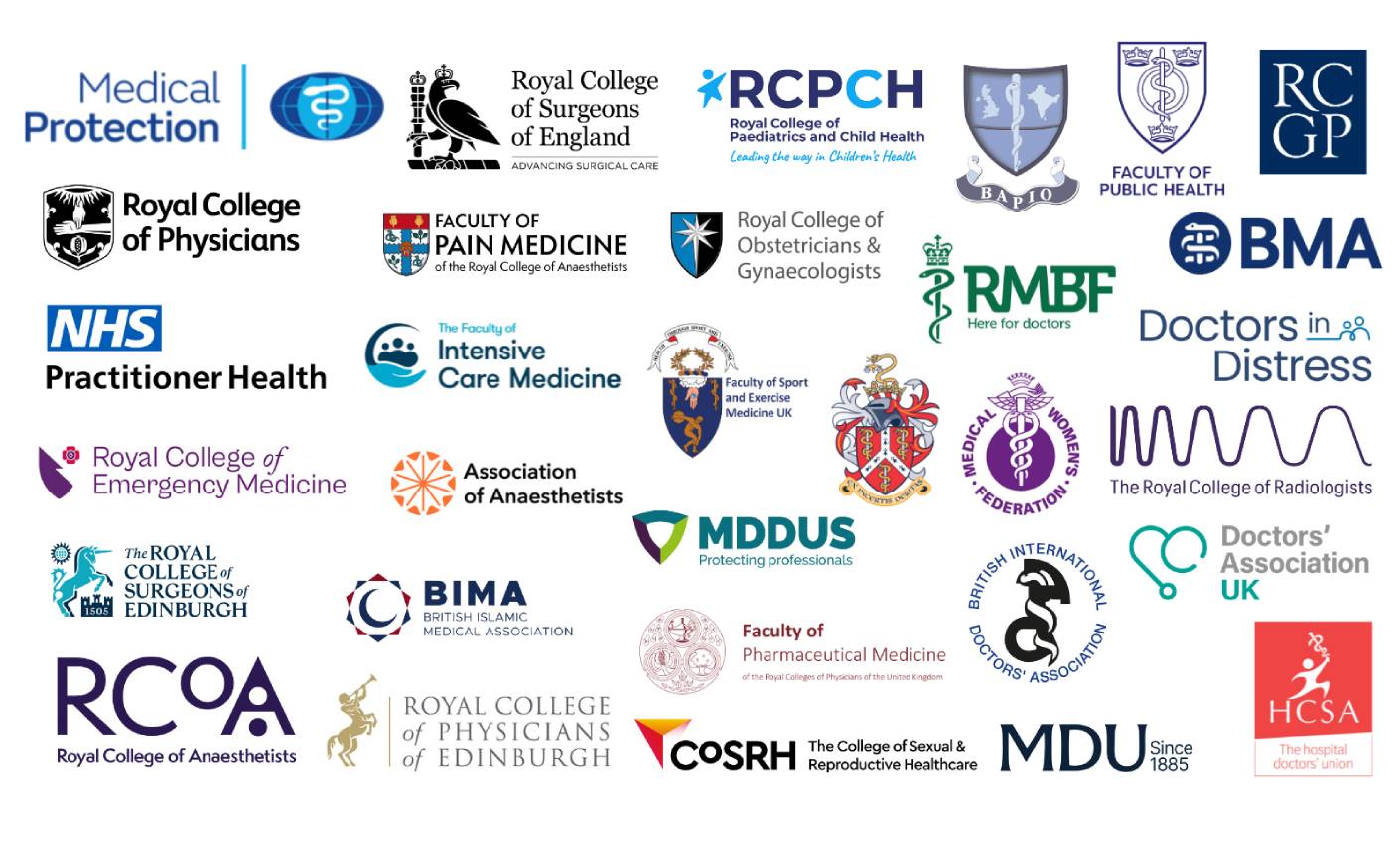
In September, MPS worked to rally a coordinated joint letter to the Minister of State for Health, Karin Smyth MP. In the end, the letter was co-signed by 32 organisations representing doctors and healthcare professionals, including trade unions, Royal Colleges and Faculties, other medical defence organisations, and groups with a focus on clinician health and wellbeing.
As a coalition we emphasised that language matters, that policy design should minimise stigma, and that the regulator must retain powers that allow confidential and rehabilitative investigation routes for clinicians whose practice is affected by health issues.
The collaboration from organisations across the health space shows what can be achieved when organisations unite around a shared goal.
Protecting the wellbeing of doctors ultimately protects patients; doctors who are supported and healthy are best placed to provide safe, high-quality patient care.
We hope that this small but vital step ensures that we are creating a regulatory system that is robust, compassionate and proportionate. We will be sure to keep members informed as the Government responds and the conversation about regulatory reform progresses.
References
- Medical Protection Society, 2023. GMC investigations: reducing the impact on doctors' mental health
- General Medical Council, 2025. A response by the GMC to an information request from the Medical Protection Society confirmed that in 978 cases either a health impairment or a health allegation sub-type related to health was recorded between 2019 to 2024. This equates to 17% of total number of fitness to practise cases (5,765) during these years.