



When a patient falls, who is responsible?
23 Nov 2026
Estimated read time:
3
min read
Nick Greaves, Solicitor and Dr Sara Jamieson, Medicolegal Consultant at Medical Protection, explore the complex question of accountability when an inpatient falls.
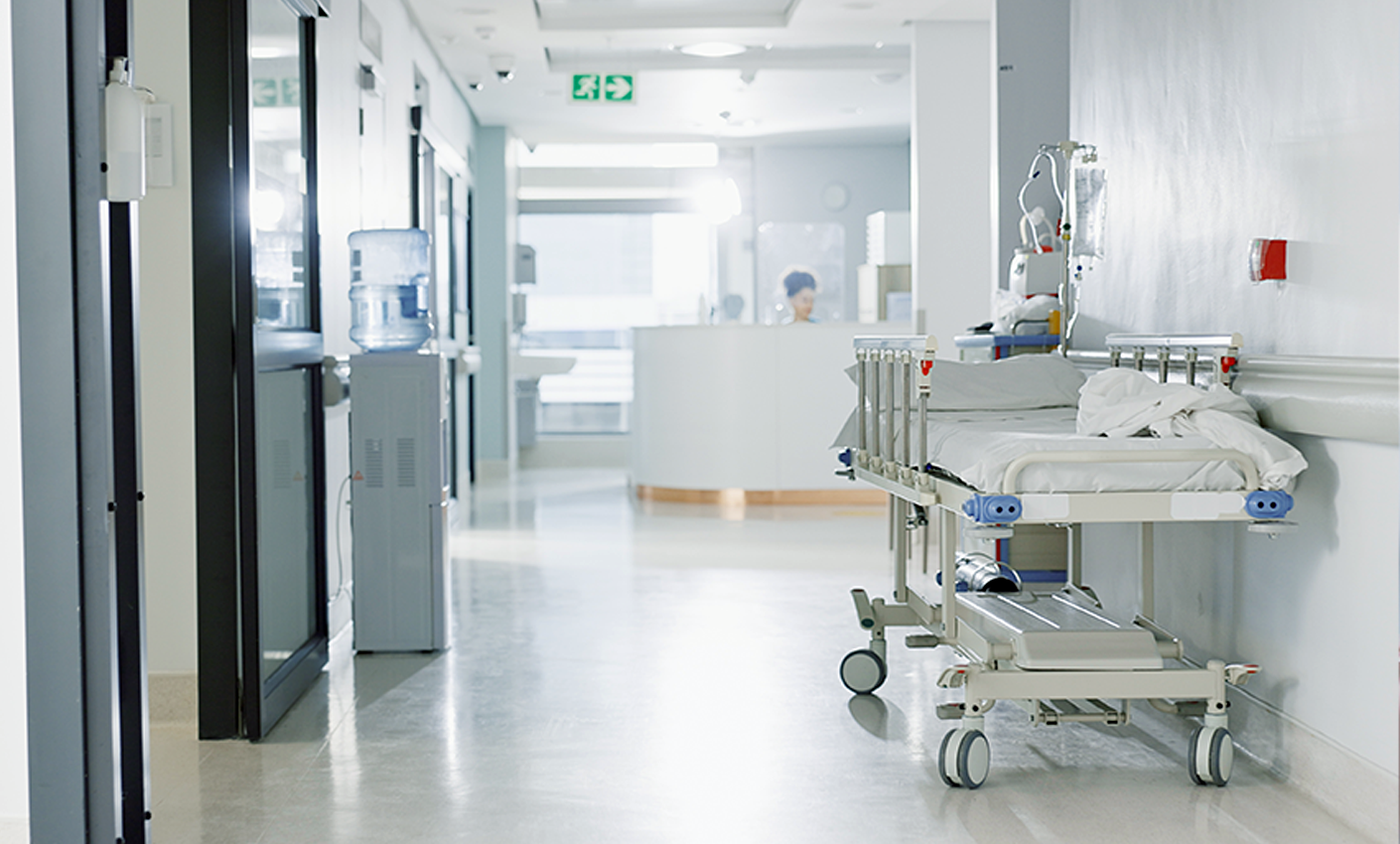
The case highlights the distinction between an individual clinician's responsibilities and those of the wider healthcare organisation.
Case study
A 76-year-old woman was admitted to hospital after presenting with fever, shortness of breath, and signs of confusion. During the patient’s stay, the Dr M diagnosed her with community-acquired pneumonia, prescribed oxygen and antibiotics. They advised nursing staff that the patient was confused and to consider relevant steps to manage this.
The next day, a nurse attended to the patient by assisting her into a sitting position on the bed. Records noted that the patient’s door was open, the bed rails were up, and the call bell was within reach.
However, a short time later, the nurse found the patient on the floor, in distress. A CT brain scan was performed, which showed right-sided acute intracerebral hematoma with extension into the ventricular system. The patient was transferred to the intensive care unit for monitoring. A subsequent MRI showed thalamic bleed, underlying vascular anomaly with possible venous varix. There was also a suggestion of chronic ischaemia and chronic microvascular ischaemia, and the distal basilar artery was noted to be mildly attenuated. The consultant neurosurgeon performed a craniotomy and evacuation of haematoma, and insertion of an external ventricular drain.
Following a prolonged period of hospitalisation and monitoring, the patient was discharged three months later. Several months later however, the patient sadly died.
How Medical Protection assisted
A claim of clinical negligence was brought by the patient’s family against Dr M, a nurse and the hospital.
The hospital and the patient’s family had sought to blame Dr M as they claimed he should have taken further steps to prevent a fall, particularly given the patient’s confused state.
Arguably, criticism could be made that the doctor had responsibility over falls prevention as the clinician responsible for her overall care, and it was suggested that Dr M should contribute towards a settlement along with the hospital. Medical Protection resisted on a point of principle however, that prevention of inpatient falls is the responsibility of hospitals and not clinicians.
The key issue for Medical Protection was who was responsible for managing the risks associated with a hospital inpatient.
Outcome
The court found liability 100% against the hospital. No liability was attributed to Dr M.
The judgment recognised that responsibility for preventing the inpatient fall rested with the hospital in this case. Concerns were also raised regarding the failure of the bed in question.
Following the successful defence, costs were awarded in favour of Dr M.
Medical Protection sought full recovery of the costs from the hospital and, ultimately, the hospital paid the full amount owed, including interest.
Key learnings
- Good documentation remains essential. Clear records of prescribing decisions, instructions to nursing staff and ongoing patient treatment are crucial.
- Inpatient fall prevention is primarily the hospital’s responsibility. Hospitals must have systems in place to assess risk, supervise vulnerable patients and implement appropriate safeguards.
Conclusion
This case serves as a reminder that medicolegal cases are not always about whether a clinician’s actions can be criticised in isolation. Often, the central question is where reasonability properly lies within the healthcare system.
By successfully defending the claim, Medical Protection helped establish that the primary responsibility for managing and preventing inpatient falls should rest with the hospital. All parties involved with a patient have a duty to ensure that patient’s care. But a clinician cannot be expected to take on all the responsibilities of a hospital.