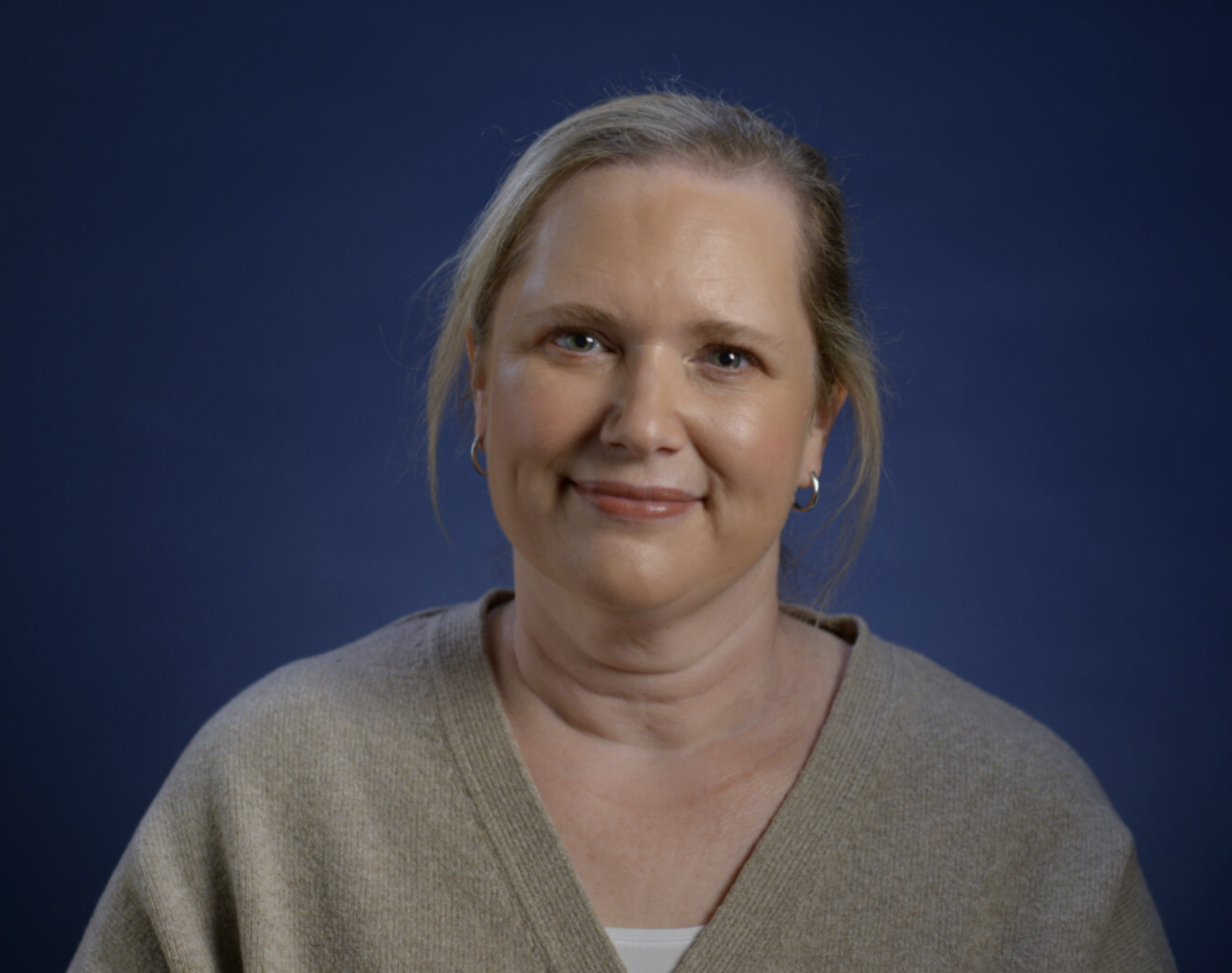



In conversation with Blesset Nkambule
30 Sep 2025
Estimated read time:
6 min read
Dr Nkambule shares how legal and clinical expertise supports doctors facing complaints, rising litigation and regulatory pressure in South Africa.
We sit down with Blesset, Medicolegal Consultant at Medical Protection South Africa, to hear about her role supporting members.
As a Medicolegal Consultant what does your role involve?
I’ve been at Medical Protection over four years now, part-time initially but understanding that the role required more of my time, I took on a full-time role. I provide technical and strategic support to the member facing teams within MPS, advising them on claims and cases. In addition, I regularly attend member meetings with panel to facilitate the consultation and engagement. I also do external facing activities such as participating in stakeholder events and presenting medicolegal topics at member conferences.
What inspired you to work in a medicolegal role?
When I was working as a Medical Officer, I could see my peers based on their interests starting to specialise and I decided to go into law. I was prompted by what I was seeing as a rising trend in the medicolegal sphere and wanted to pursue a degree in law to strengthen my insights and better inform my decision to ultimately pivot from being strictly clinical to immersing myself and leveraging my strengths in the medmal industry. I didn’t know anyone personally who was going from the medical field and studying law at the time, so it was in a sense a lonely and somewhat challenging yet incredibly insightful journey. After my studies I continued with clinical practice but when the opportunity to work as a Medicolegal Consultant came up at Medical Protection, I knew this was the right role for me. This role was exactly what I had specialised for.
My inspiration to work in this area was the positive impact I have been able to make as a Medicolegal Consultant. I can bridge the gap with having a clinical background and an appreciation of the law. I see how I can help members feel comfortable navigating both sides, even at the most difficult times of their lives, when facing a complaint or disciplinary for example.
What’s been the best experience working at Medical Protection?
Any of the member-facing interactions are for me the best thing about working at Medical Protection. It is always wonderful to touch base with colleagues, discuss their particular matter and through understanding the technical and professional nuances be able to provide reassurance and perspective in their time of need. So, creating that ‘safe space’ and being that bridge and support for our members between the clinical and legal realm is rewarding for me.
From your experience, what opportunities or challenges are there for members in South Africa?
There is a challenge at the moment that informs us what happens down the road and why we need indemnity. For both the private and state sectors it is resources. The state sector has a lack of physical resources that practitioners need in the field to do their work. In the private sector there is a “brain drain” where some expert healthcare professionals are moving abroad. A lack of resources in both senses results in mistakes happening. We may even see a despondency leading to reckless actions and ultimately litigation. The other challenge is the heightened focus on healthcare professionals for litigation, they feel that pressure and it makes them more anxious and nervous, that is why it is so important to have protection in place like Medical Protection.
In terms of opportunities, having worked at Medical Protection, I realise that there are many opportunities for healthcare professionals to advocate for themselves and their work. It is possible to participate in groups that will inform the law and ultimately impact healthcare practice. Even at Medical Protection we are advocating on behalf of our members.
From your perspective, how does Medical Protection support its members?
I love the fact that we have discretion. Unlike an insurer who has to stick by terms and conditions, we are able to apply ourselves with our in-house expertise we can work together to support members – it truly sets us apart. What also stands out for me is that the people working at Medical Protection appreciate and understand what members are going through, having often worked in healthcare themselves. We can offer support and recognition of what happens to members, that for me is incredible.
What sort of cases are you asked to review or give advice on?
Every day I look through all of our active files and give advice to the team on all of them, it really varies. I must say though that I really enjoy the work I get to do on cases, that’s where I can flex my technical insights and advise the team. It affords me the opportunity to engage more with members, who might be contacting us for the first time, and I can support them.
Have you noticed any trends in medical negligence claims in South Africa in recent years?
Certainly, there are more claims arising in medicine, there is more litigation happening against practitioners. Anecdotally, the pathway to litigation in a claim does seem to follow a specific pathway. Matters are lodged as complaints and brought before the HPCSA in the first instance. The HPCSA follows a rigorous process that ventilates the matter in a manner which provides technical insights and vulnerabilities that would not have been detected by parties who are no au fait with the profession and its intricacies. This then becomes evident in the claims we see which are in essence a re-iteration of the determinations made by the HPCSA. I do appreciate that the standards to which a professional is held are different before the regulator and a civil claim in medical negligence. However, this trend highlights the importance of why healthcare professionals should exercise due diligence and make considered and representative submissions when responding to complaints lodged before the HPCSA in order to possibly avert the escalation of the matter. Something that MPS assists its members with.
I also notice that complaints going to the HPCSA or directly to members seem to be generated by AI platforms. The questions are so technical, and the content is so specific that it seems generated by AI at times.
Is there anything else you would like to share with our members?
For me, I wish I could tell members that the greatest way to avoid risks is to go back to the basics. What we were taught when training was right, and to not be distracted by any commercial or other interests. Follow the rules and your training and it will put you in good stead with the law and with the regulator. We are here for members and here to support them.